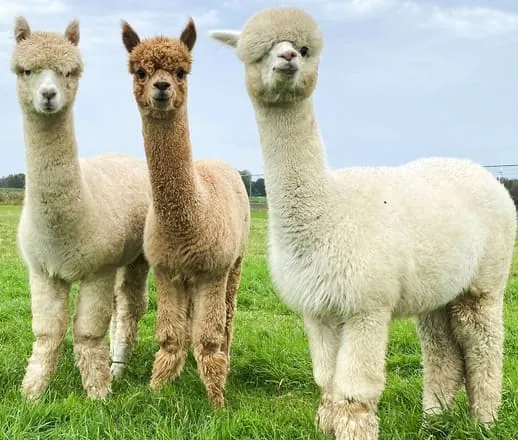
Alpaca basics
Discover Alpacas: Facts About Alpacas
Meet the animals, explore their origins and learn what life with alpacas is like.
Read guideSoutheastern Alpaca Association
Discover alpacas and llamas, learn practical herd care, and explore farms and resources across the Southeastern United States.
Serving alpaca enthusiasts and owners across nine Southeastern states
Start learning
Clear answers for curious readers, new owners and longtime alpaca enthusiasts.
Meet the animals, explore their origins and learn what life with alpacas is like.
Read guide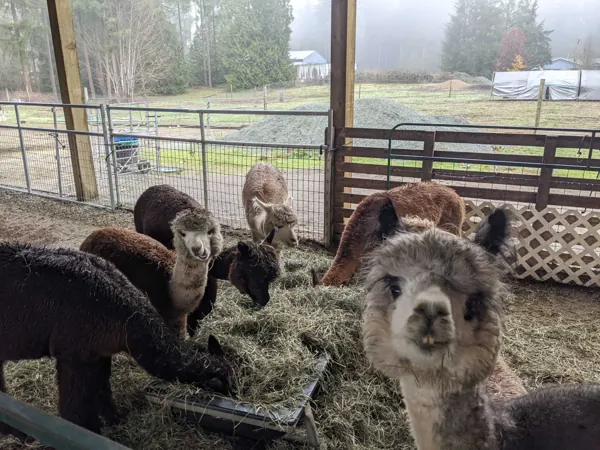
Understand feeding, shelter, hot-weather risks and everyday health checks.
Read guide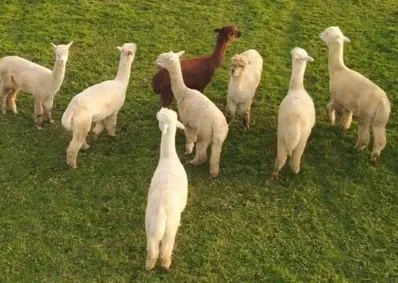
Compare size, fleece, ears and temperament at a glance.
Read guide
Explore alpaca fleece, comfort and comparisons with other fibers.
Read guide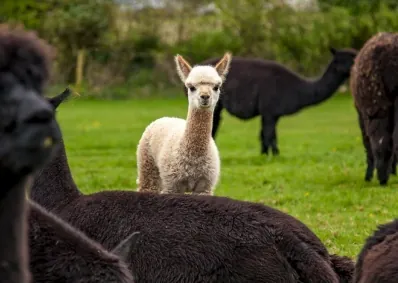
Learn who raises alpacas and the questions worth asking before starting.
Read guide
Discover how baby alpacas grow, nurse and become part of the herd.
Read guideNew to alpacas and llamas?
Alpacas and llamas are both South American camelids, but they are not interchangeable. Whether you're learning about these animals or considering a small herd, begin with the differences, their everyday needs and the questions that matter before ownership.
Alpacas are generally smaller and are primarily raised for their fleece. Llamas are usually larger and are often used for packing or as livestock guardians. Both are social animals, and neither should be treated as a solitary backyard pet.
Compare appearance, ears, behavior and typical roles in our llama vs. alpaca guide, or start with alpaca facts.
Before getting alpacas, plan for compatible herd companions, secure fencing, appropriate forage, clean water, weather protection and access to a veterinarian who knows camelids.
Use the alpaca care guide as a starting checklist, then seek veterinary advice tailored to your animals and location.
Alpacas in the Southeast
Whether you're considering your first animals or looking for a farm to visit, start with our regional resources. Alpaca care and farm conditions vary across the Southeast, especially during hot, humid weather.
Alabama · Florida · Georgia · Kentucky · Mississippi · North Carolina · South Carolina · Tennessee · Virginia
Explore alpaca farmsBefore bringing alpacas home, understand the importance of herd companions, suitable fencing, feeding and access to a veterinarian familiar with camelids.
Read the care guide Explore alpaca ownershipOur community
SEAA brings together alpaca owners and enthusiasts in the Southeastern United States and is affiliated with the Alpaca Owners Association. Learn about the organization, its history and regional alpaca activities.
 Alpaca shows and events
 Alpaca photo gallery
Read about the association's roots and ways to connect with the community.
Our history Contact SEAA